Our Gaushala
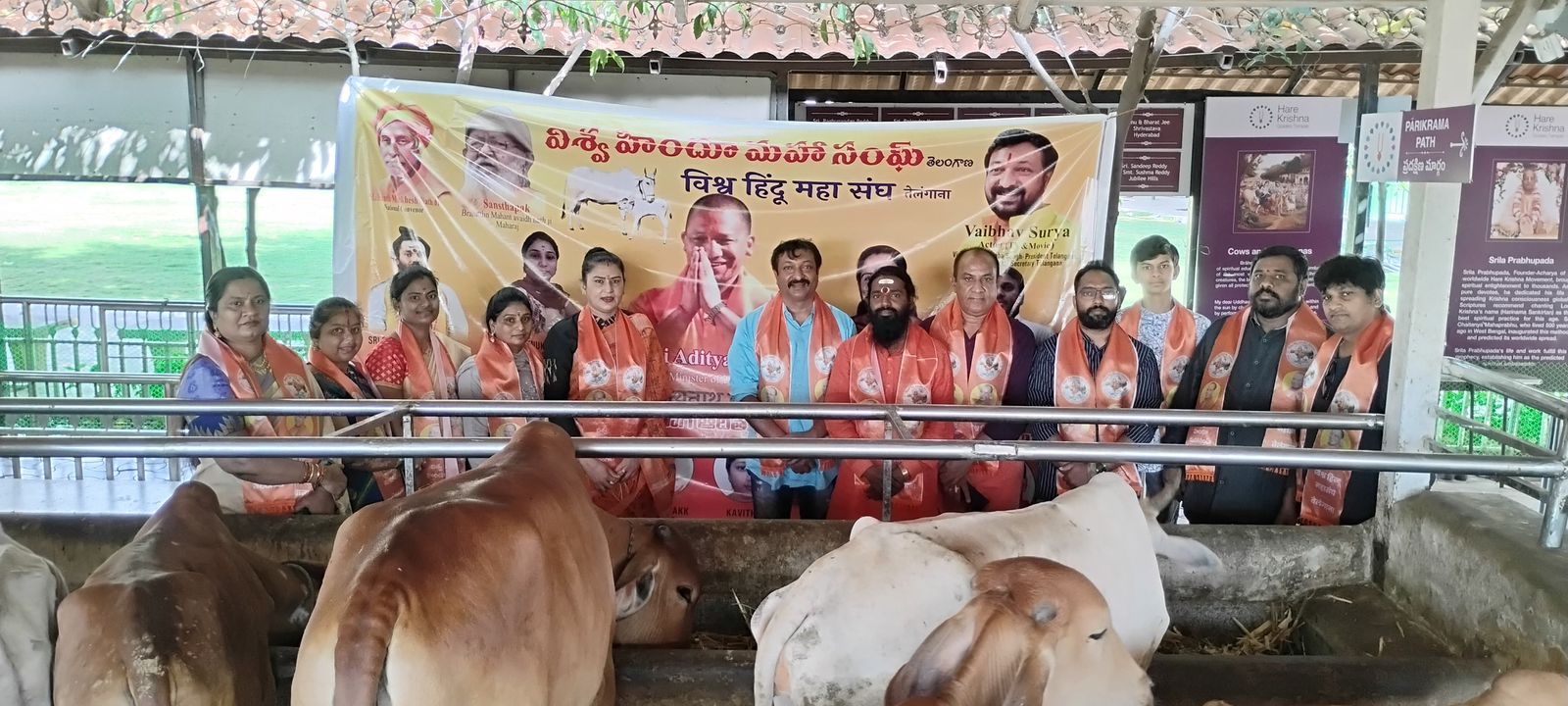
We are building a sanctuary of dignity on 3 acres near Jogipet, Sangareddy District — where rescued cows receive food, shelter, medical care, and lifelong protection.
We are building a sanctuary of dignity on 3 acres near Jogipet, Sangareddy District — where rescued cows receive food, shelter, medical care, and lifelong protection.
Sanctuary
Gaumata Seva Trust exists so abandoned and injured cows are not left on roadsides or in distress. Our gaushala work focuses on rescue, recovery, and steady daily care — rooted in compassion and transparent seva.
We are seeking donations to build the Gaushala on 3 acres near Jogipet, Sangareddy District, Telangana — with proper housing, water, power, and rescue mobility. Until that vision is complete, every contribution strengthens the care we can give today.
Protect · Care · Serve · Preserve
Support the Gaushala Project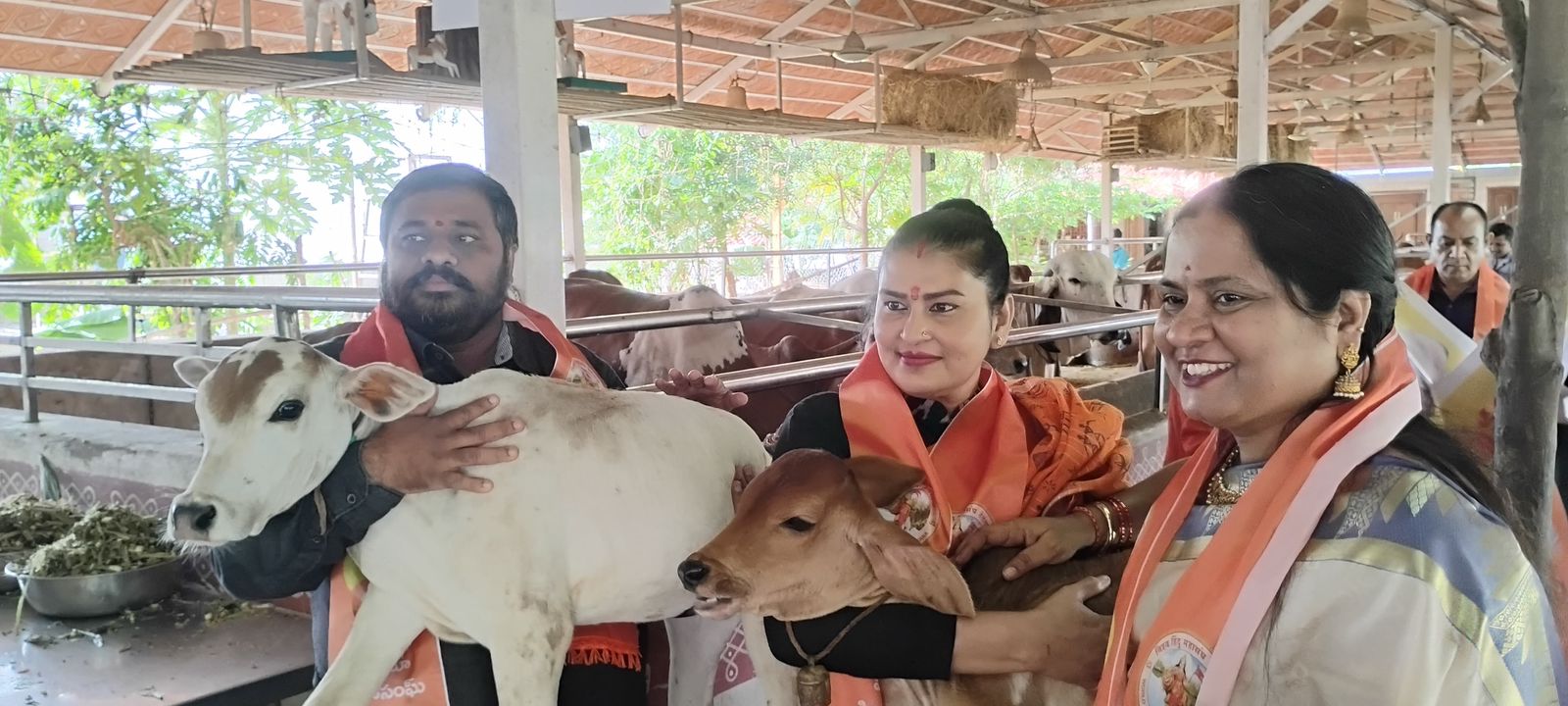
Daily care
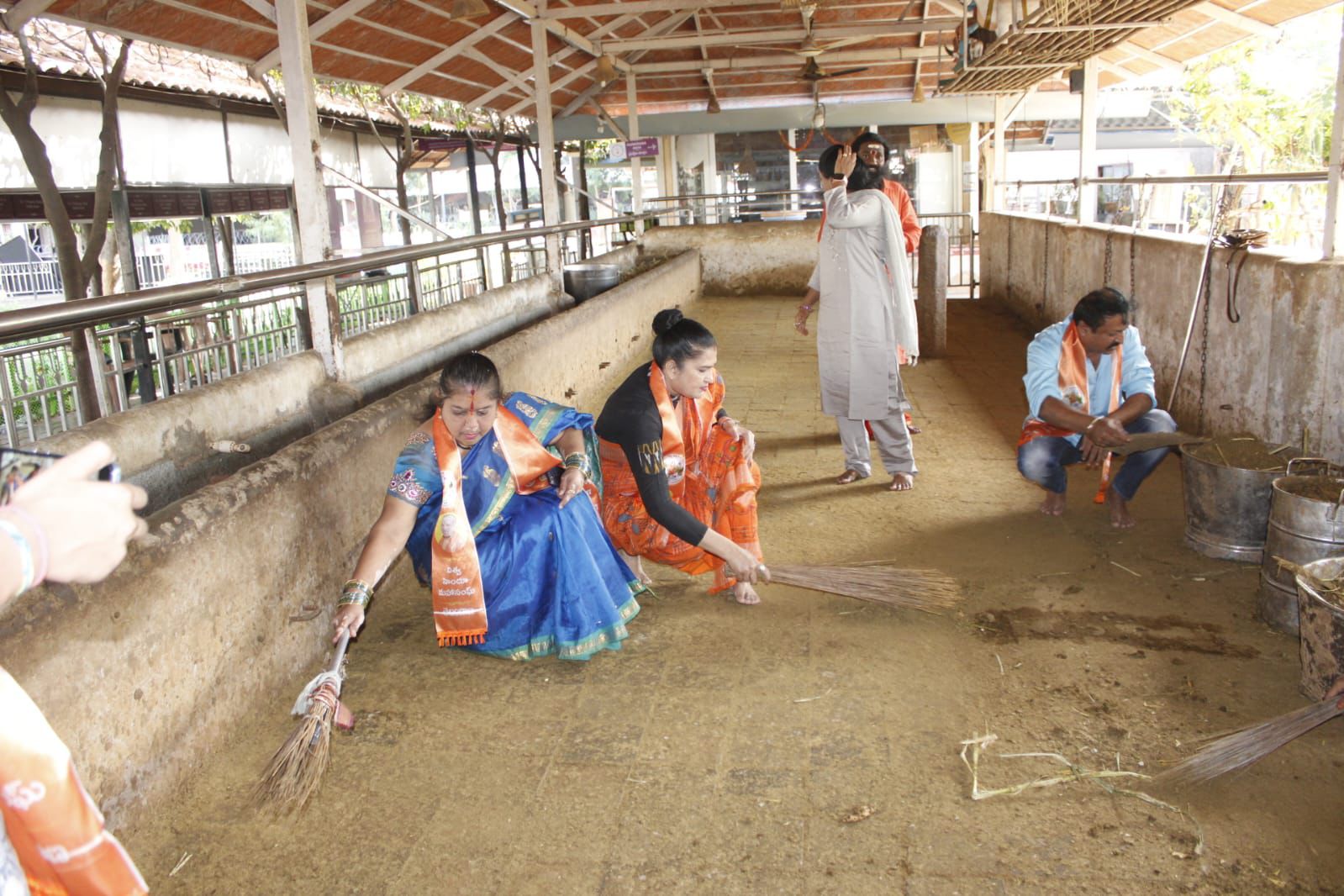
Care is not a single act — it is a rhythm of feeding, cleaning, watching, and healing.
Early health observation for every cow, followed by nutritious fodder and clean water to begin the day.
Space to move and rest in shade — elderly and recovering cows receive gentler, supervised routines.
Treatments, wound care, and follow-ups for injured or recovering cows as needed through the day.
Final feeding, shelter cleaning, and night watch so cows rest safely until morning.
Facilities
Weather-aware shelter space so cows can rest with dignity through heat, rain, and night.
Daily fodder, mineral support where needed, and clean drinking water as the foundation of health.
First aid, veterinary consultation, and recovery care for injuries and illness.
Response when the public, police, or partners report a cow in distress — with safer transport as we grow capacity.
Veterinary care
Many cows reach us malnourished, injured, or traumatized. Care may include wound treatment, infection control, pain relief, nutrition plans, and quiet recovery time away from road danger.
We prioritize preventive attention — regular observation, hygiene, and timely medical help — so small issues do not become emergencies.
Injury and trauma care with follow-up recovery.
Support for elderly and chronically unwell cows.
Gentle handling so fearful animals can settle into herd life.
Rescue
When someone reports a cow in need, our approach is simple: respond, stabilize, transport safely, treat, and provide lifelong shelter where possible.
Calls and messages from the public, authorities, or partners about a stray or injured cow.
Assessment of condition and surroundings; first aid when needed; humane handling for safety.
Move to care facilities with as little stress as possible, then document and begin treatment.
Rehabilitation, herd integration where appropriate, and ongoing food, shelter, and medical support.
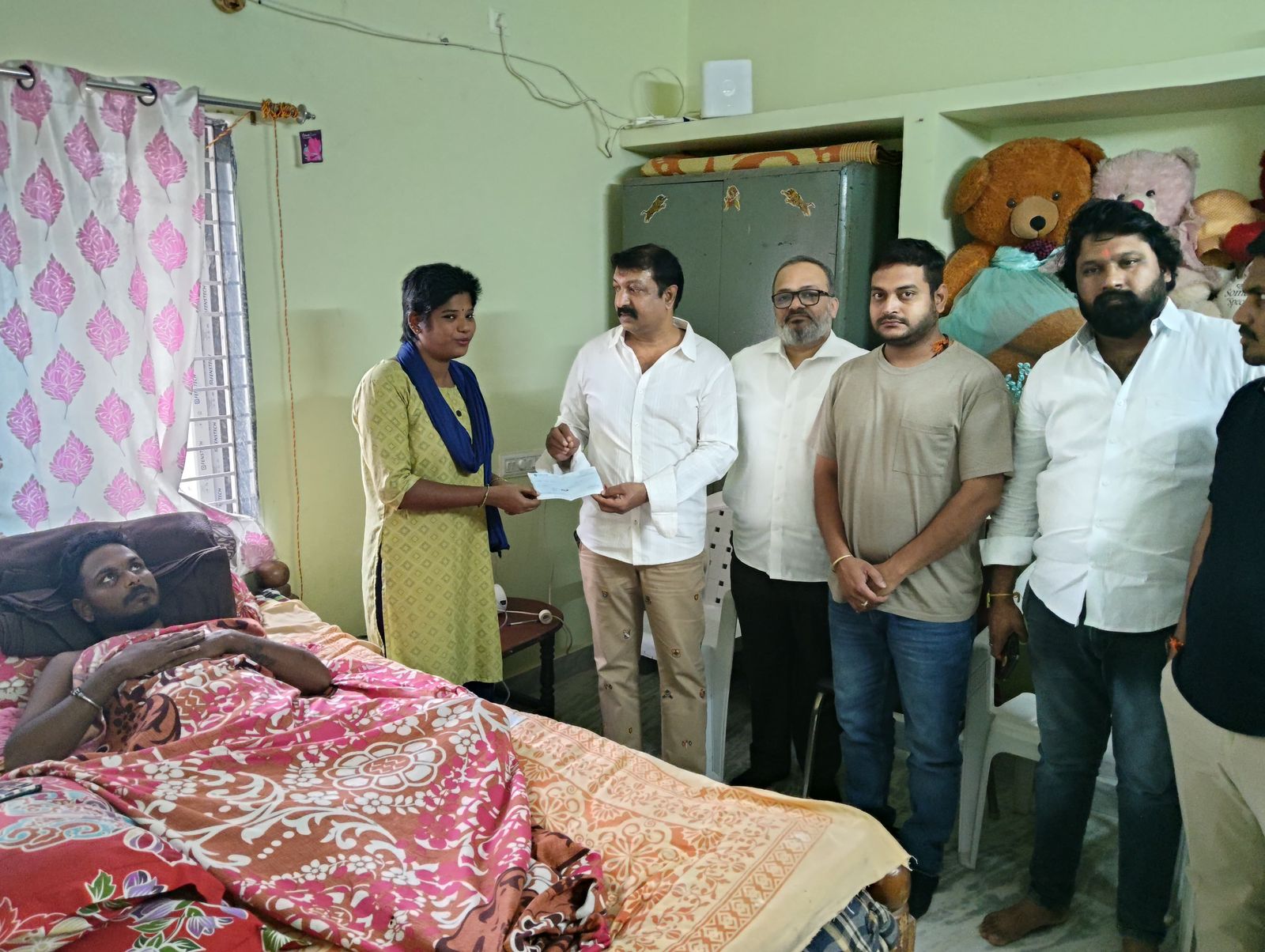
Standing with protectors
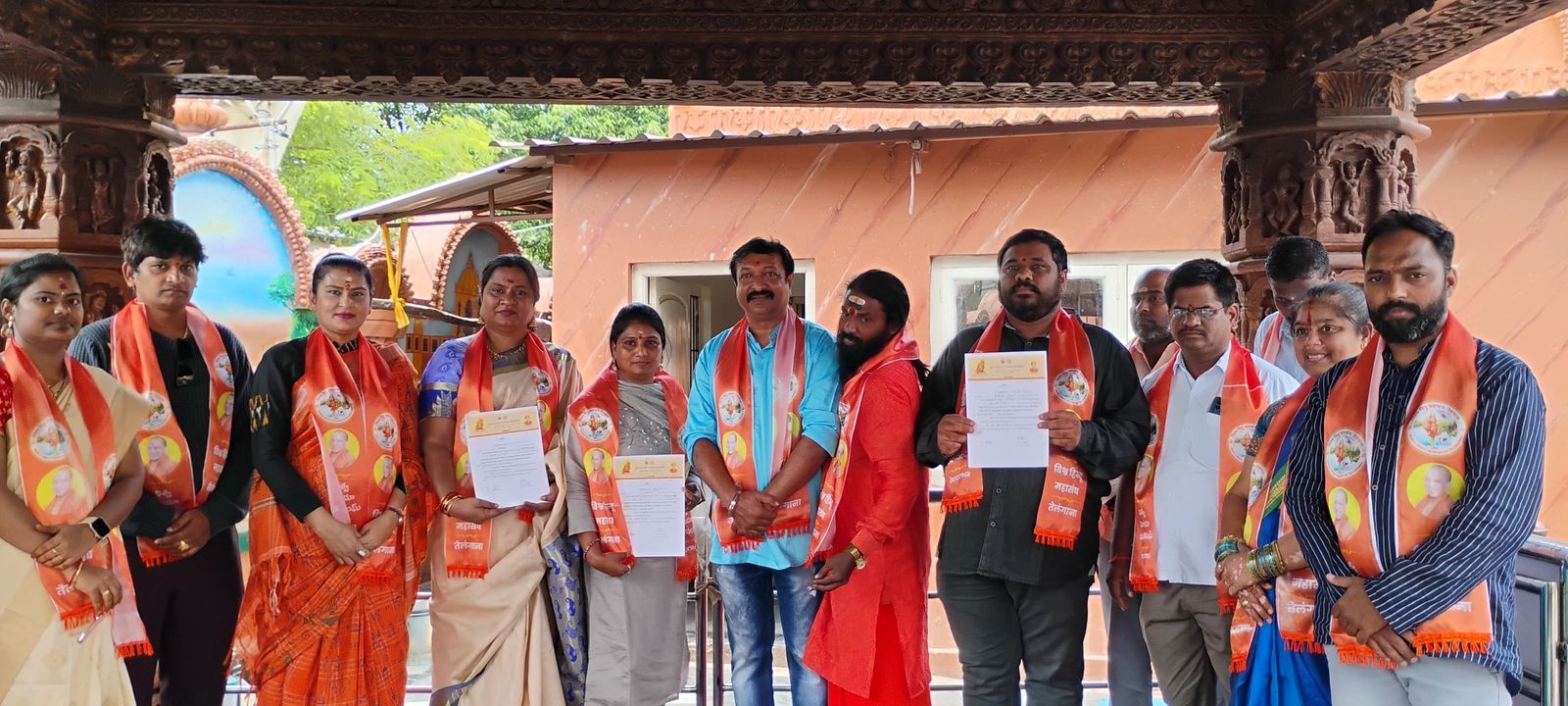
We also stand with those who protect cows in the field — including timely support when Gaurakshaks face harm while rescuing animals. Sanctuary work and community courage go hand in hand.
Report a cow in needSustainability
A lasting gaushala needs more than goodwill — it needs water, power, clean systems, and responsible use of cow dung and related by-products for organic and rural benefit.
Our Gaushala Project plans for borewells, tanks, solar capacity, toilets, construction, and a rescue ambulance — so daily care rests on solid infrastructure.
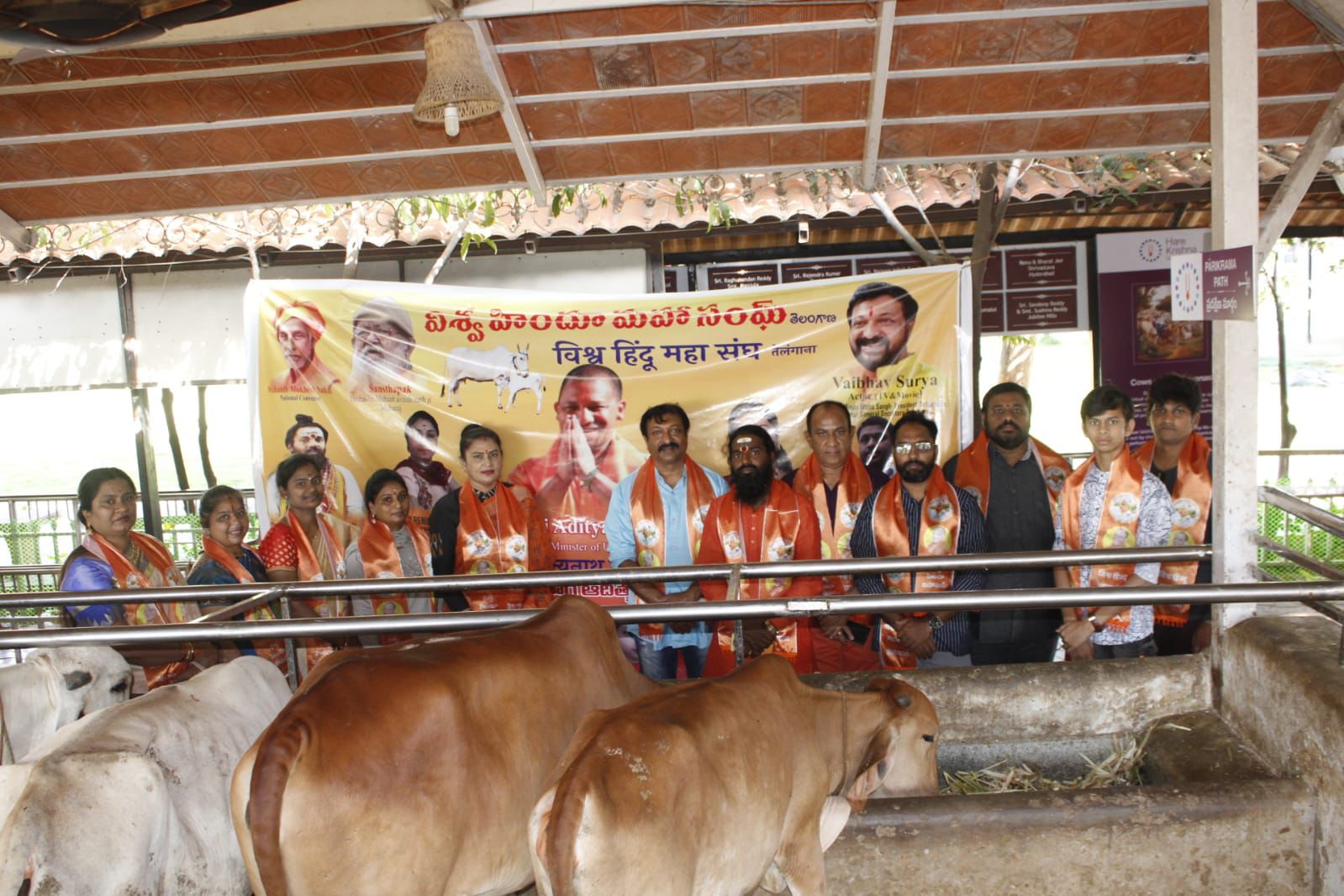
Fund construction, rescue mobility, solar power, or general care — every gift moves the project forward.